



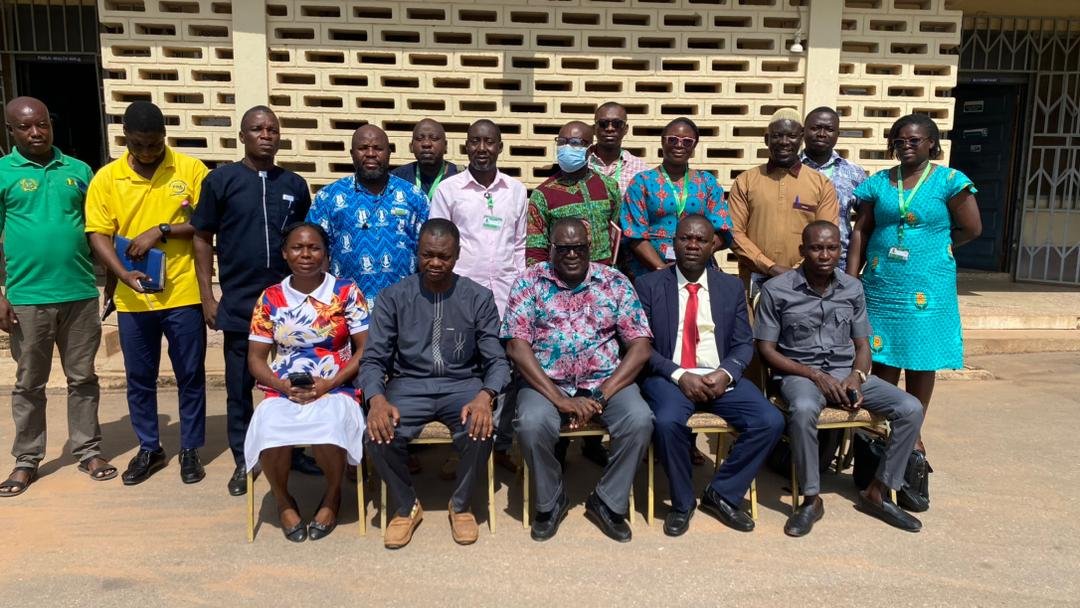
The Ghana Health Service convened a crucial stakeholder meeting in Damongo, the Savannah Regional capital, on Wednesday, December 10, 2025, to strengthen support for the Second Year of Life (2YL) vaccination program targeting children aged 12 to 59 months.
Themed “Promoting Second Year of Life (2YL) Interventions,” the meeting aimed to ensure children receive recommended vaccines, catch-up doses missed during their first year, and other essential health interventions.
Speaking at the event, the Savannah Regional Deputy Director of Finance, Mr. Abdul Razack Issahaku, who represented the Regional Director, emphasized the vital role of stakeholders in safeguarding children’s health.
“The Second Year Life interventions are a set of interventions given to children to provide additional protection after one year to promote healthy well-being,” Mr. Issahaku said, urging participants to engage in frank discussions to develop effective strategies for supporting children’s growth.
The Expanded Program on Immunization (EPI) Coordinator Mr. Anthony Kuntoh explained that the 2YL program addresses a critical gap in Ghana’s immunization schedule. Previously, vaccination services typically ended at nine months with yellow fever, measles, and rubella vaccines.
According to him, Strengthening immunization platforms in the second year of life and beyond presents an opportunity to improve uptake of vaccines administered after one year and also reach those who missed the first year.
He noted that the initiative aligns with the World Health Organization’s Immunization Agenda 2030, which envisions a world where everyone, everywhere, at every age, fully benefits from vaccines for good health and well-being.
Mr. Kuntoh identified several challenges facing the program, including low coverage rates, insufficient communication and social mobilization, inadequate local government support, and limited publicity. He appealed to stakeholders for enhanced collaboration to overcome these obstacles.
Mr Isshaka Zitor, NCCE Director for the Savannah Region, commended the program and stressed the importance of health workers maintaining regular communication with mothers about vaccination schedules. He also raised concerns about the misuse of mosquito nets for crop protection rather than their intended purpose of safeguarding human life.
In a significant commitment, Alhaji Mohammed Zakiy Yakubu, Secretary to the Savannah Regional Chief Imam, assured the Ghana Health Service of free publicity for the vaccination program at mosques across Damongo. He clarified that contrary to reports of worship centers demanding payment for public announcements, no such complaints had been made to the Chief Imam’s office.
The meeting brought together key stakeholders including representatives from the NCCE, Regional House of Chiefs, National Health Insurance, and the Regional Coordinating Council, demonstrating a unified commitment to improving child health outcomes in the Savannah Region.